

The Holonet War College Special Briefing: The Road to War – From Outer Rim Tension to Open Conflict

17th March 2026
Rosco
10 mins
Preface
If you spend enough time at sea, or around those who do, you develop a healthy respect for how the ocean can be where competition can become a crisis, and then into a full-blown conflict. It is rarely clean, rarely declared, and almost never convenient. In fact, declaring war is not really the done thing anymore. It hasn’t been since the 1970s, arguably even before that.
Instead, it builds through a series of small, deniable actions that slowly shift the operating environment until one day you look around and realise you are already in it.
What we are seeing unfold in the real world has a very familiar rhythm. When translated into the Star Wars universe, and more importantly, onto the Armada tabletop, it becomes a useful way to understand not just how wars begin, but how games are won.
A lot of these concepts have come up in my historical doctrine ramblings before, but this is a good way to tie it all together and show the working on why it still matters.
The Outer Rim Slow Burn
Imagine an Outer Rim sector sitting astride a major hyperspace junction. Not a Core World, but not really a backwater either. It is economically vital, strategically exposed, and politically fragile.
On one side you have a major power aligned to galactic order. On the other, a hardened regional actor with reach, ideology and a willingness to operate below the threshold of open war.
The opening phase is not fleets trading broadsides. It is pressure. Holding them at risk.
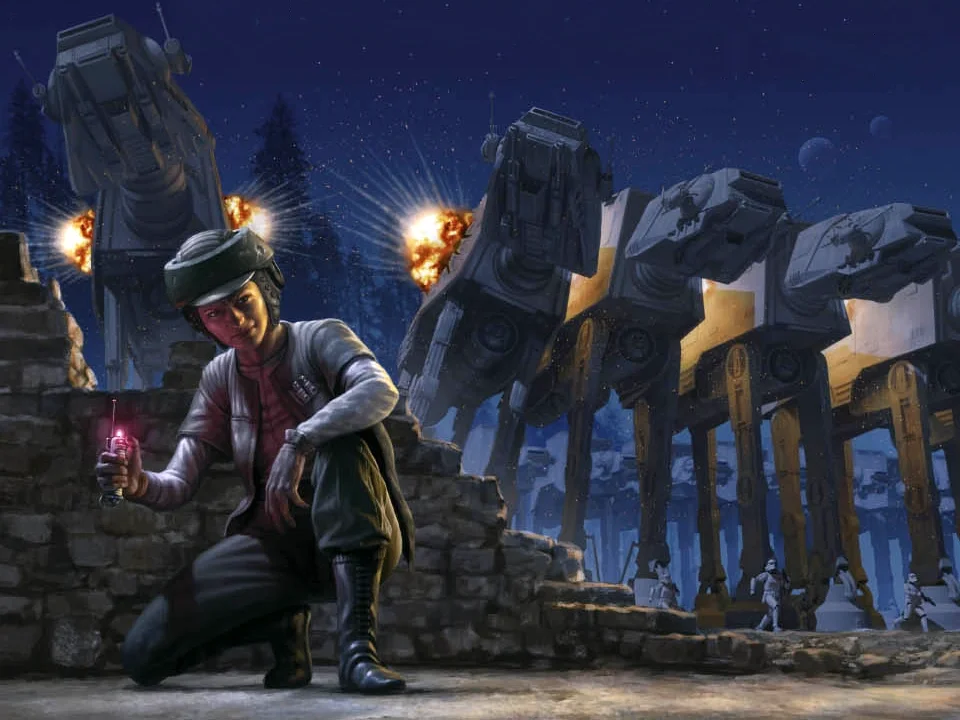
Convoys are harassed. Outposts are struck by forces that officially do not exist.
Shipping becomes unpredictable, then risky, then… quietly avoided.
Each incident is small enough to avoid triggering a full response, but together they reshape behaviour. Merchants reroute. Insurers raise rates. Local commanders start asking harder questions about risk versus mission.
On the Armada table, this is not a decisive fleet engagement. It is the early game played properly.
You are not trying to destroy your opponent. You are shaping the board.
Small ships probing flanks
Squadrons extending influence
Objectives quietly dictating movement
The player who understands this phase is already ahead before a single move or dice roll matters.
Proxies and Risk
As tension builds, the conflict becomes crowded.
Local militias, pirate bands, and “independent security forces” begin to appear with equipment that looks suspiciously high-end. They operate in ways that are too coordinated to be random yet just disconnected enough to maintain plausible deniability.
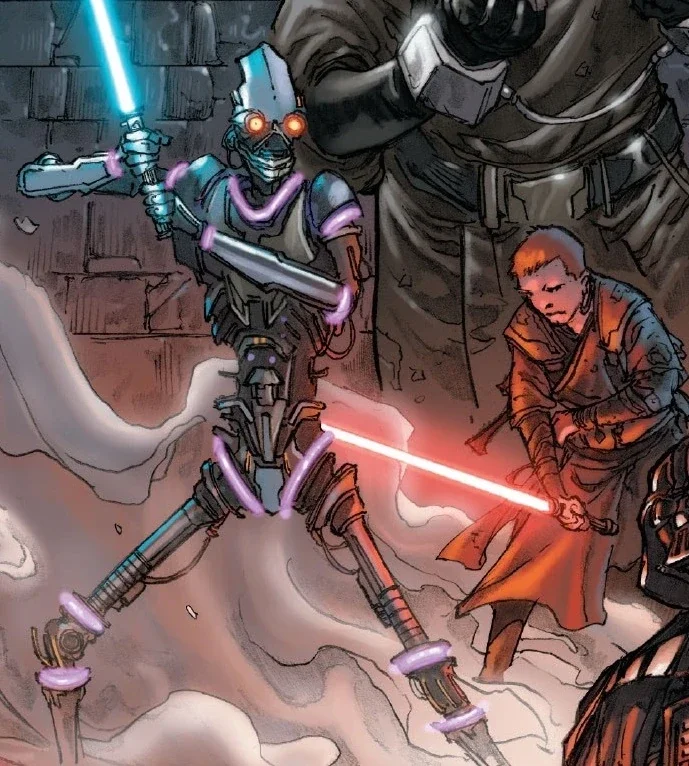
Not that type of Proxy…
This is where modern conflict becomes uncomfortable. Responsibility is blurred, attribution is debated, and action is constrained.
In our Star Wars framing, this could be a mix of former Separatist holdouts, corporate security fleets and regional warlords, all nudging the situation in one direction without anyone formally taking ownership. For an Armada player, this should feel very familiar.
This is objective play at its purest:
Contested zones
Denial strategies
Forcing your opponent into inefficient positioning
You are not winning through brute force. You are winning by making the other player’s plan unravel.
The Chokepoint Problem
Now we come to the part worth really drawing out.
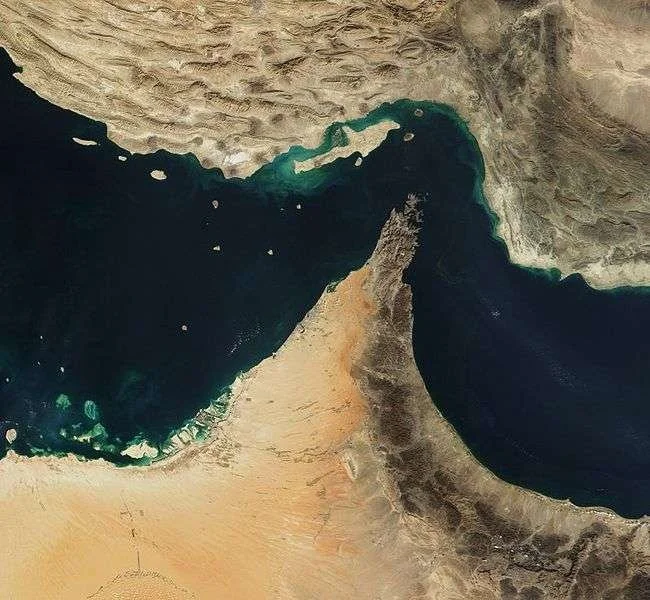
Every theatre has geography that matters more than the rest. In the Middle East, that is the Strait of Hormuz (SoH). In our Star Wars analogy, it is a narrow hyperspace corridor that everything important must pass through. And that is where things get serious.
The SoH itself is only about 18 nautical miles wide at its narrowest point and carries roughly a fifth of the world’s seaborne oil. I’ve been through there multiple time myself. It’s tense enough when everyone’s playing nice, but when tensions rise, it does not need to be physically closed to become unusable. The threat alone is enough.
i.e. Mines in the water, missiles on the coast, Fast Attack Craft operating in confined space, etc.
The result is the same. Traffic stops. Trade stops.
In the current crisis, attacks, threats and mining activity have effectively halted shipping, with tanker movements dropping dramatically and global energy markets reacting immediately.
Now translate that to the Star Wars galaxy.
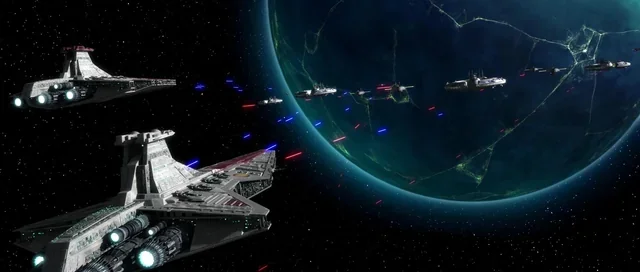
Picture a narrow hyperspace lane between two systems. One side controls the exit point. The other side has long-range strike capability. Any fleet attempting transit risks immediate engagement under unfavourable conditions. That is not a battle. IT’S A TRAP… and not the fun Ackbar kind.
On the Armada table, this is the ultimate expression of positional play:
You control the approach vector
You dictate the engagement range
You force your opponent into predictable movement
It is essentially Hyperspace Assault meets Contested Outpost or Blockade Run objectives, layered with real consequences. You do not need to destroy the enemy fleet - You just need to make the lane unusable.
The Spark
Eventually, something happens that strips away the ambiguity.
Maybe… A high-value target is struck, a senior leader is removed and/or a major installation is hit with undeniable attribution. In the real world, the 2026 conflict escalated rapidly following US and Israeli strikes on Iran targeting leadership and military infrastructure, which triggered widespread retaliation across the region.
At that point, the fiction of “limited engagement” vaporises… also sometimes with innocent casualties, sadly. From an Armada perspective, this is the alpha strike moment.
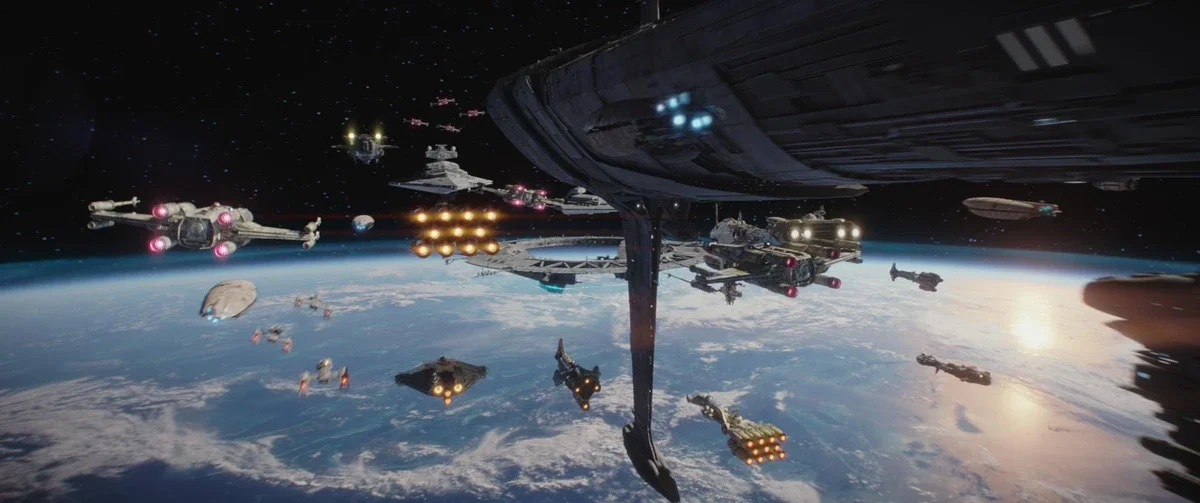
A flagship is exposed and eliminated or a carrier is deleted before its activation and the tempo of the game shifts instantly and it feels decisive, even satisfying.
It also removes restraint. You have the upper hand – do you press that advantage, or take your points and call it an 8-3? In a tourney, hell no you don’t. It’s not just the game, you want to win the whole thing. Time to ‘play for sheep stations!’, as we say down here. Or do you?
Escalation and the Fleet Game
Once overt force is in play, both sides begin to posture openly. In the real world, this has meant:
Missile and drone strikes across the region (like, everywhere)
Naval forces repositioning to protect (or threaten) shipping
Attempts to organise multinational efforts to secure trade routes
At the same time, the geography of the chokepoint continues to favour the defender. Even a powerful navy finds it difficult to guarantee safe passage through a narrow, heavily contested maritime corridor.
Back in Star Wars terms, this is where the fleets finally close and command dials, activation order, and speed control matters. The player who has managed the earlier phases well now dictates the engagement and the one who has not is simply reacting.
The Threshold
There is a point in any conflict where it becomes academic whether war has been declared.
Shipping has stopped, state forces are engaged, and real losses are mounting on both sides.
In the Strait of Hormuz today, the combination of attacks, threats and strategic positioning has already had global consequences. Oil flows have been disrupted, prices have surged, and even major powers are struggling to ensure safe transit through the region. Some towns in Australia have just run out of fuel. Farmers cannot keep equipment running. Trucks stop moving. Supply chains begin to break in ways that are very real, very quickly.
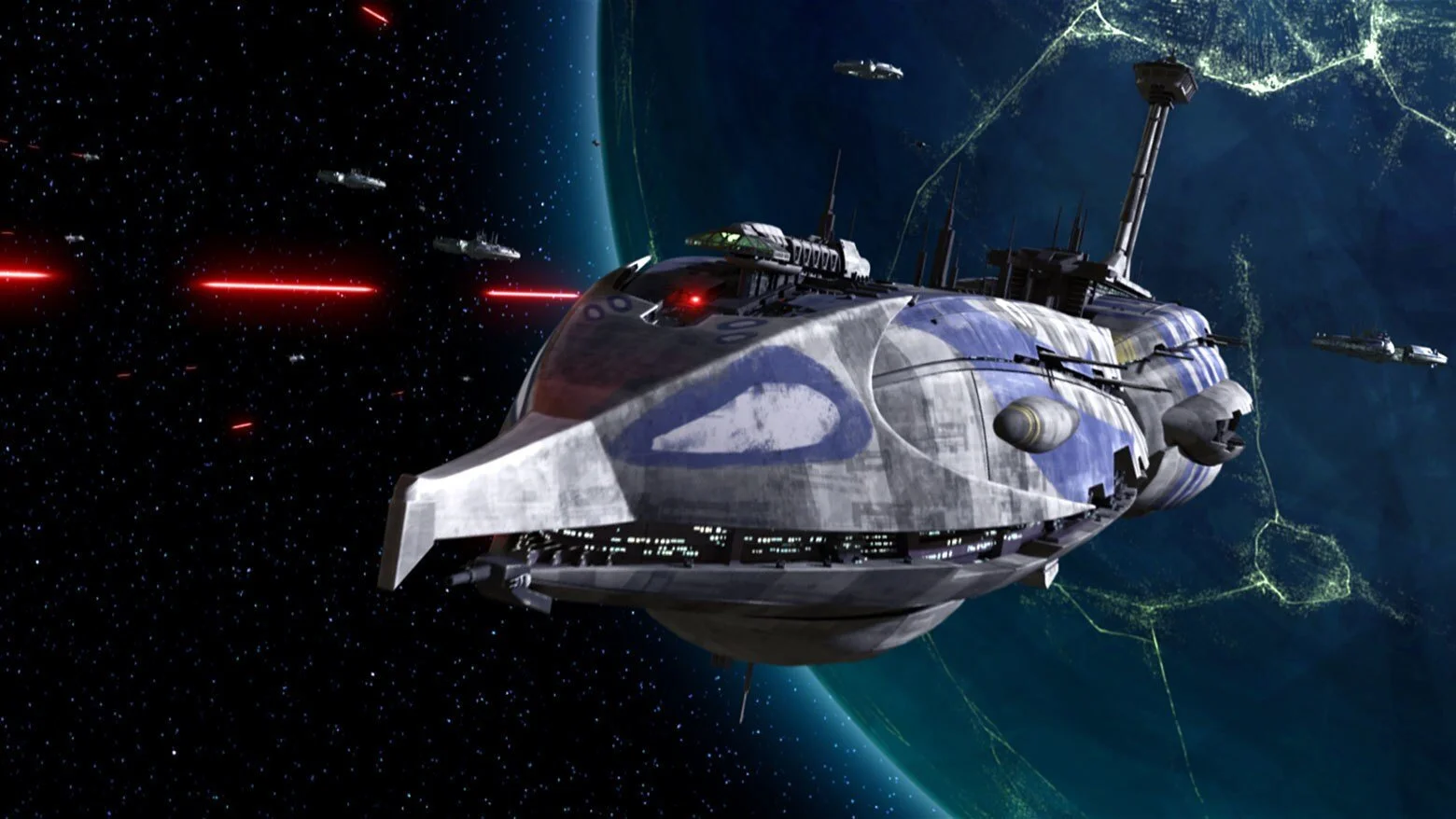
That is not a crisis waiting to happen, it’s a conflict in progress.
On the Armada table, this is the moment where the game transitions from manoeuvre to decision.
The lines collapse and it’s time to chuck some dice, then everything that came before decides how that fight unfolds.
Final Thoughts – From the Gulf to the Galaxy
It is worth stepping back and calling this out plainly.
The pattern we have walked through here is not hypothetical. The broad sequence of events, from shadow activity to chokepoint pressure to overt strikes, mirrors the ongoing US and Iran conflict and the crisis in the Strait of Hormuz. That is not to say Star Wars predicts reality, but good strategy tends to rhyme, regardless of setting.
For Armada players, the lesson is simple and quietly brutal: You do not win the game when ships start exploding. You win it in the approach, the objectives, in the positioning, and in the decisions that shape the battlefield before the first meaningful shot is fired.
Whether you are commanding a task group in a narrow sea lane or pushing plastic spaceships across a 6x3 table, the principle holds: Control the chokepoint, control the fight.
And if you get that right, the road to war becomes the road to victory.
Meanwhile… At the Legion of Doom…
Ok, now indulge me for a moment as we place a few more pieces on the dejarik board.
While one flashpoint burns hot, others simmer just below the surface. In another corner of the galaxy, a long, grinding land campaign draws in surrounding powers who stop just short of direct confrontation, carefully managing escalation while reinforcing partners and signalling resolve.
Elsewhere, a patient and great power with a plan watches closely. It studies how alliances respond, how quickly forces move, and where the real thresholds sit, quietly weighing when and how a move on a nearby, highly prized system might be made without tipping the entire galaxy into open war.
I love playing Armada, but as a career Naval Officer, I cannot help but draw these parallels. If anything, it makes it all feel slightly more understandable. Slightly. At least, I hope everyone now understands the importance of the whole Trade Blockade thing in Episode 1.
Right. Return to base for debrief and cocktails. Assuming we have not run out of tonic.
Cheers,
Rosco 🥃
